Remote Work Opportunities for People with Disabilities: Empowering Careers from Home
Have you ever wondered about remote work opportunities for people with disabilities? As more companies shift towards remote work models, individuals with disabilities are now able to explore jobs that align with their unique needs and abilities. But how can platforms like MyWorkChoice help make this transition easier and more accessible? What are the advantages of choosing a remote work setup for individuals who need flexibility and accessibility?
For many, finding employment that accommodates their specific needs can be a challenge, but MyWorkChoice Online Work for Disabled offers a solution that allows disabled individuals to work from the comfort of their homes. With a range of flexible scheduling options, this platform is designed to cater to diverse needs, ensuring that anyone, regardless of their disability, has the opportunity to thrive in a work-from-home environment.
In this article, we will delve into how remote work for people with disabilities works on MyWorkChoice, the registration process, and the variety of benefits offered by flexible, online work. By the end, you’ll understand how this platform can change the way you think about disability and work, making remote opportunities more accessible and enjoyable.


Remote Work Opportunities for People with Disabilities: An Overview
As remote work continues to rise, more remote work opportunities for people with disabilities are becoming available. The shift towards digital platforms and online jobs has made it easier for disabled individuals to access employment that accommodates their needs. Many jobs, such as customer service, data entry, and virtual assistance, are now offered in remote settings, breaking down physical barriers for people with disabilities.
Benefits of Remote Work for Disabled Individuals
Remote work has many advantages, particularly for those who require a more flexible and accessible working environment. Some of the most notable benefits include:
Flexible Work Hours – One of the most appealing features of remote work is the ability to set your own hours. Individuals with disabilities can schedule their work around medical appointments, therapy sessions, or personal care routines.
Work from the Comfort of Home – Many people with disabilities find it difficult to commute or work in traditional office settings. Working remotely allows them to create a comfortable and accessible workspace, which is crucial for their overall well-being.
Increased Productivity – Without the distractions and stress of commuting or office environments, remote workers often experience increased productivity and job satisfaction.
How Platforms like MyWorkChoice Help
MyWorkChoice Online Work for the Disabled is designed to provide a supportive work environment for individuals with disabilities. The platform connects users with flexible, remote job opportunities, ensuring that they have access to the right tools and accommodations needed to succeed. By offering jobs that cater specifically to individuals with disabilities, MyWorkChoice enables workers to focus on their tasks without worrying about accessibility or workplace discrimination.
How to Register on MyWorkChoice
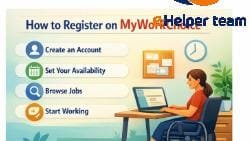
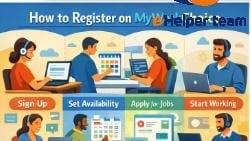
Starting your journey towards remote work for people with disabilities on MyWorkChoice is simple. Here’s a step-by-step guide on how to register and get started:
Create an Account
Begin by visiting the MyWorkChoice website and creating an account. During the registration process, you’ll need to provide basic information, such as your name, email address, and details about your disability. This information helps tailor job recommendations based on your specific needs.Set Your Availability
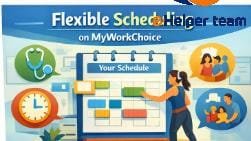
Once your account is created, you can specify your availability. MyWorkChoice is dedicated to flexible scheduling on MyWorkChoice, which allows you to set work hours that suit your lifestyle. Whether you need part-time or full-time work, you have control over your schedule.Explore Job Opportunities
After registering and specifying your availability, you can browse job listings that match your skills. MyWorkChoice provides a variety of roles in customer service, Remote Work Opportunities for People with Disabilities, administrative support, and data entry. Each job posting will include specific requirements, such as work hours, pay, and job description.Apply and Start Working
Once you find a job that suits your skills and availability, you can apply directly through the platform. After acceptance, you can begin working from home. MyWorkChoice offers full support during this process, ensuring that you have everything you need to perform your job efficiently.
Why Choose Remote Work for People with Disabilities
Comfortable Work Environment
For individuals with disabilities, working from home means having the flexibility to create a workspace that suits their needs. For example:
Ergonomic Furniture – Remote workers can invest in furniture that caters to their mobility needs, such as adjustable chairs or desks that are wheelchair accessible.
Personalized Technology – Individuals who require adaptive technology, such as screen readers or specialized keyboards, can ensure they have the right tools for the job, which may not always be available in traditional office settings.
Improved Work-Life Balance
A significant advantage of working from home for people with disabilities is the ability to maintain a healthier work-life balance. Without the pressure of commuting or adhering to strict office hours, remote workers can better manage their time. This flexibility can lead to greater job satisfaction, reduced stress, and improved overall health.
Inclusive Work Culture
Remote work fosters inclusivity by allowing people with disabilities to work in environments where their abilities are valued. This helps reduce workplace discrimination, as employers are focused on performance rather than physical limitations. Flexible scheduling on MyWorkChoice also allows individuals to work during their most productive hours, further enhancing the overall work experience.
Challenges and Solutions in Remote Work for Disabled Individuals
While remote work for people with disabilities offers many benefits, some challenges need to be addressed. Let’s explore common obstacles and the solutions available to overcome them:
- Access to Technology
For some individuals with disabilities, accessing the technology required for remote work can be a barrier. However, MyWorkChoice provides support by connecting users with adaptive tools and technology. Additionally, some employers may offer stipends or reimbursements for purchasing assistive equipment, ensuring that all workers have the resources they need to succeed.
- Isolation and Communication Barriers
Working remotely can sometimes feel isolating, especially for individuals who thrive in social environments. To counteract this, MyWorkChoice encourages regular team communication through video calls and virtual meetings. These interactions help remote workers feel more connected to their colleagues and supervisors, which can enhance collaboration and support.
- Maintaining a Healthy Work-Life Balance
It can be challenging for individuals to separate work from personal life when working from home. MyWorkChoice emphasizes the importance of setting clear boundaries by establishing a structured work schedule. Taking breaks, scheduling leisure time, and maintaining a routine can help prevent burnout and promote mental health.
Top Job Opportunities for People with Disabilities on MyWorkChoice
MyWorkChoice provides a wide range of remote work options that cater to individuals with disabilities. Some of the most common job categories include:
Customer Service: Many companies are looking for remote customer service representatives to handle inquiries via phone, email, or live chat. These jobs offer flexible hours and the ability to work from home.
Data Entry: Data entry roles involve inputting information into spreadsheets or databases. These jobs are ideal for individuals who enjoy repetitive tasks and can work at their own pace.
Virtual Assistant: Virtual assistants provide administrative support to businesses, handling tasks like scheduling appointments, responding to emails, and organizing files. This role is perfect for those with organizational skills.
Transcriptionist: Transcription work requires listening to audio recordings and typing them out. It’s an excellent job for people with strong typing skills and the ability to focus on listening and transcribing accurately.
Content Writing: Content writing is a great option for individuals with a passion for writing. Freelance writing jobs allow you to create blog posts, articles, and other content from home, often on flexible schedules.
How Flexible Hours Benefit People with Disabilities
Personalized Work Hours: MyWorkChoice allows users to set their own work hours based on their most productive times of the day. For people with disabilities, this means they can choose to work when they feel most comfortable, such as during the morning or late evening, depending on their condition and needs.
Health and Medical Appointments: For those who need frequent medical care, flexible hours ensure that they can attend appointments without affecting their job performance. This is particularly important for individuals with chronic conditions or those undergoing treatment, as it allows them to remain employed while managing their health effectively.
Caregiving Responsibilities: Many people with disabilities are also caregivers to family members, which adds another layer of complexity to their work schedules. Flexible work hours ensure that they can tend to their caregiving responsibilities while maintaining a stable income.
How to Ensure Success in Remote Work for People with Disabilities
While remote work for people with disabilities offers many advantages, achieving success in this setup requires the right approach, tools, and mindset. Here are some tips to help individuals with disabilities thrive in their remote roles:
1. Creating an Accessible Workspace
Invest in Ergonomics: Setting up an ergonomic workspace is crucial for comfort and productivity. Whether you require a wheelchair-accessible desk, adjustable seating, or assistive technologies like screen readers, having a dedicated, accessible workspace ensures that your physical environment supports your work.
Assistive Technology: Invest in the necessary assistive technologies that can enhance productivity. These may include speech-to-text software, screen magnification tools, or special keyboards that cater to specific needs. MyWorkChoice can guide users in finding the right tools to improve efficiency and accessibility.
2. Establish a Structured Routine
Working from home provides flexibility, but it can also lead to a lack of structure. To stay productive, it’s important to set a daily routine that includes work hours, breaks, and personal time. This routine can help create a sense of normalcy and reduce distractions. Use calendar apps or reminders to stay on track and ensure that work commitments are met.
3. Stay Connected with Colleagues and Managers
Working remotely can feel isolating, especially for those who thrive on social interaction. Make an effort to stay in touch with your colleagues and managers through virtual meetings, Remote Work Opportunities for People with Disabilities, messaging platforms, and collaborative tools. Regular communication helps foster team relationships and ensures that you stay up-to-date on any project updates or company news.
Common Remote Job Roles for People with Disabilities
When searching for remote work opportunities for people with disabilities, it’s important to consider positions that offer both flexibility and an inclusive work environment. Here are some of the top job roles that are particularly suited for individuals with disabilities:
1. Remote Customer Support
Customer service jobs are widely available in remote positions, and they are often ideal for individuals with disabilities. These roles typically involve interacting with customers through phone calls, emails, or live chat, which can be done from home at flexible hours. For people with hearing impairments or speech disabilities, text-based customer support may be a good option.
2. Data Entry and Transcription Jobs
Data entry and transcription roles are often a perfect fit for remote workers with disabilities. These jobs involve entering information into databases, spreadsheets, or transcribing audio files into written formats. Remote Work Opportunities for People with Disabilities, Data entry tasks are repetitive and can usually be done at your own pace, which is ideal for workers who need to manage energy levels throughout the day.
3. Virtual Assistance and Administrative Support
Virtual assistants help business owners and managers with administrative tasks such as scheduling, email management, and data organization. These roles often provide the flexibility to work from home and set your own hours, making them ideal for people with disabilities who need to work around their personal schedule.
4. Content Writing and Editing
If you enjoy writing, remote work for people with disabilities in content creation is another viable option. Content writers and editors can work independently from home and have the flexibility to choose projects and deadlines that work for them. Whether it’s blogging, copywriting, or technical writing, the opportunities for freelance writers are abundant.
5. Online Tutoring or Teaching
Remote Work Opportunities for People with Disabilities. Online tutoring is a great option for individuals with disabilities who have expertise in specific subjects. Many educational platforms allow tutors to teach from home, offering flexibility and the chance to connect with students from around the world. Whether it’s teaching English as a second language, mathematics, or other subjects, online tutoring provides an excellent work-from-home opportunity.